
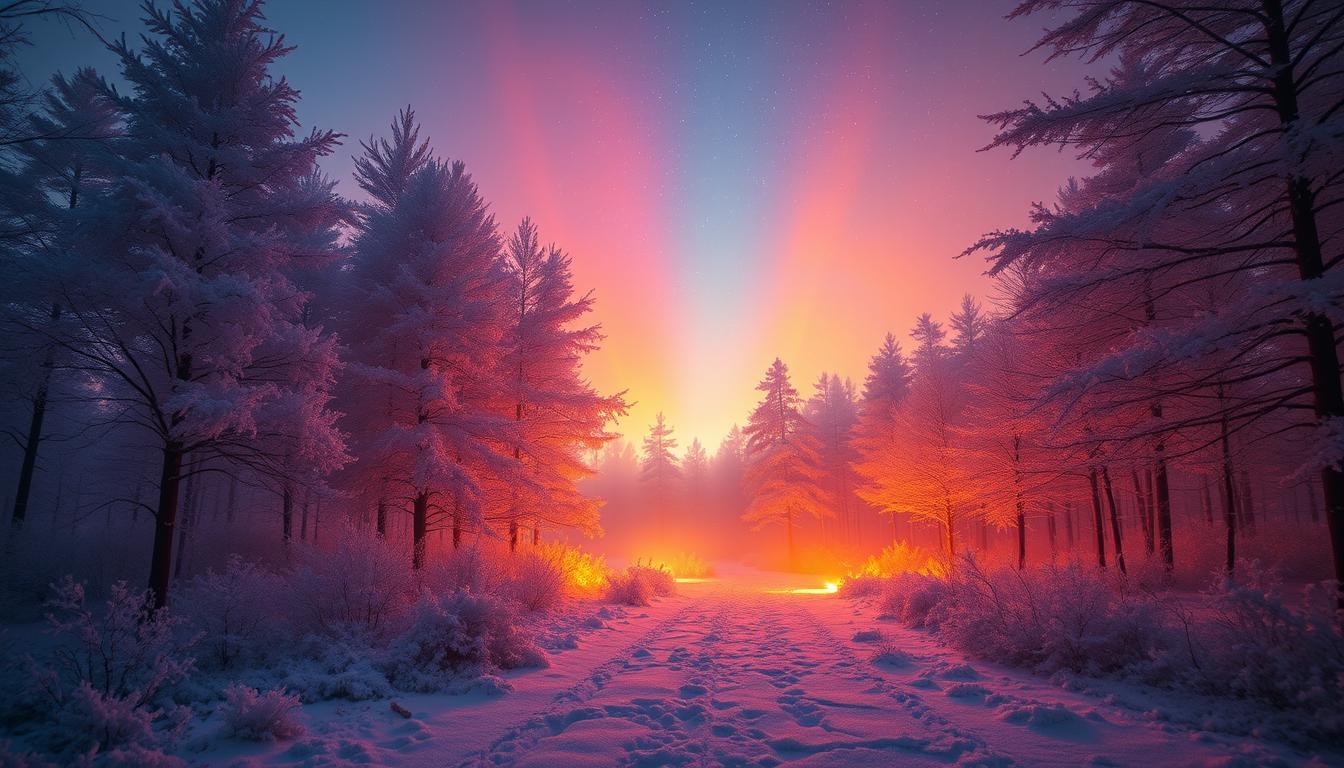
Our planet’s weather is full of amazing natural events. These events are so rare, they make us question what we know about the atmosphere. From fire rainbows to mammatus clouds, the world is full of Unusual Weather that amazes everyone.
These extreme weather conditions show us the complex relationship between earth, air, and water. Events like ball lightning and dust devils remind us of the mysteries in our skies.
Let’s explore nature’s most fascinating and puzzling weather phenomena. Here, reality and fantasy mix, and the ordinary becomes extraordinary. Get ready to be amazed, learn, and maybe even feel a bit confused as we dive into Weather Events So Rare You Won’t Believe They Happen.
What Defines Unusual Weather?
The difference between “normal” and “unusual” weather can be tricky. Weather events that seem odd to some might be common in other places. Yet, there are certain signs that show when weather is truly out of the ordinary.
One main sign is how rare the event is. Meteorologists say weather that happens less than 5% of the time is unusual. This includes extreme temperatures, unexpected rain, or rare sights like thundersnow or ball lightning.
“Weather is a chaotic system, so even small changes in atmospheric conditions can lead to vastly different outcomes. That’s why we see such erratic patterns emerge from time to time.”
Another important factor is where and when the weather happens. A heat wave in summer might be normal in one area but unusual in another. Snow in the tropics is definitely a climatic anomaly.
To understand unusual weather, we need to know the local climate and history. What seems extraordinary in one place might be normal elsewhere. It’s all about spotting these erratic patterns and figuring out why they happen.
Extreme Weather Phenomena
Extreme weather events are truly amazing. Tornadoes, for example, can pop up in places you least expect. They’re not just found in the American Midwest. They can hit other areas too, showing us how unpredictable the weather can be.
“Earthquake weather” is another fascinating topic. It suggests that weather can affect when earthquakes happen. This idea is still being studied, but it’s interesting to think about. It makes us wonder if weather and earthquakes are connected in some way.
“The weather is one of the most unpredictable forces on Earth, and its ability to surprise us is a testament to the power and complexity of our planet’s atmospheric systems.”
These weather events remind us that nature is full of surprises. Our understanding of how different parts of the environment work together is growing. By studying these events, we might learn more about our changing climate and world.
The Impact of Climate Change
Our planet’s climate is changing, leading to more unpredictable weather. This change causes big temperature swings, shifts in weather patterns, and more extreme weather. These changes affect us all, from our daily lives to the planet’s health.
Warmer temperatures are melting ice caps and glaciers, raising sea levels. This danger threatens coastal areas around the world. It also messes with ecosystems, causing species to move and new diseases to spread. The effects of these changes are seen in many areas, like farming, buildings, health, and nature.
“Climate change is not a future threat – it’s a present-day challenge that requires urgent action to mitigate its devastating effects on our planet and our way of life.”
We must find strong, science-backed solutions to fight climate change. This includes using clean energy and taking care of our land. We need a mix of actions to tackle the many problems our changing climate brings.
By understanding and tackling climate change, we can build a stronger, greener future. A future that can handle the unexpected weather and changes our climate brings.
Historical Examples of Unusual Weather
Our world has seen amazing and unusual weather events that have changed us. The Great Blizzard of 1888 stopped the northeastern United States. The Dust Bowl of the 1930s destroyed the American Great Plains. These extreme conditions teach us about nature’s power and unpredictability.
The Great Blizzard of 1888 dumped up to 50 inches of snow, killing over 400 people. Its intensity and long duration changed how we deal with unusual weather and extreme conditions.
“The Dust Bowl was a true environmental disaster, a testament to the fragility of our ecosystem and the consequences of human intervention. It serves as a sobering reminder of the importance of sustainable land management and the need to respect the delicate balance of our natural world.”
The Dust Bowl, a series of severe dust storms in the 1930s, changed our view of extreme conditions. It showed how bad weather can harm the environment and people. This disaster led to new farming ways and showed climate’s big role in our lives.

These unusual weather and extreme conditions show our strength and need to adapt to climate change. As we face unusual weather challenges, learning from the past is key. We must use these lessons to get ready for the future.
Unique Weather Events Across the World
Our planet is full of amazing weather events. We see things like ball lightning, blood rain, and red snow. These events show how diverse and fascinating our climate can be.
Ball lightning is a glowing sphere that shows up during storms. Scientists still don’t fully understand it. But its beauty has captured the hearts of many around the world.
Blood rain or red snow is another incredible sight. It happens when rain or snow looks red because of red dust or pollen. This has been seen in places like India, Europe, and Australia. Scientists are still trying to figure out why it happens.
“The world is full of magic things, patiently waiting for our senses to grow sharper.”
– W.B. Yeats
Exploring these weather events opens our eyes to the wonders of our planet. From ball lightning to blood rain, they show us the beauty and mystery of our atmosphere.
Unusual Atmospheric Phenomena
The Earth’s atmosphere is a stage for nature’s most amazing shows. It’s not just rain, snow, and thunderstorms. There’s a world of mesmerizing sights that amaze us. From sun dogs shining beside the sun to moonbows in the night sky, these wonders show our planet’s weather is always changing.
In Venezuela, there’s a lightning storm called Catatumbo lightning. It’s been a mystery for centuries. Every night, lightning flashes up to 280 times per hour. The area’s geography, moisture, and mountains create the perfect storm.
“The Catatumbo lightning is a humbling reminder of the power and complexity of our atmosphere. It’s a natural wonder that continues to captivate and inspire us.”
As we learn more about the atmosphere, scientists are figuring out these weather events. They study air masses, temperature, and electromagnetic forces. This helps us understand the amazing sights in our skies and the changes in our world.

Weather Anomalies in Popular Culture
Unusual weather events have always fascinated people. They have a big impact on stories we tell. From scary weather in books to big weather scenes in movies, these events are key in popular culture.
The 2004 film The Day After Tomorrow showed the scary side of climate change. It showed New York City suddenly freezing, which really hit home with viewers. The classic novel Frankenstein also uses weird weather to talk about how fragile life is.
“The rain pattered dismally against the panes, and my candle was nearly burnt out, when, by the glimmer of the half-extinguished light, I saw the dull yellow eye of the creature open; it breathed hard, and a convulsive motion agitated its limbs.”
These stories not only entertain but also teach us about weather. As we learn more about climate change, stories about weird weather will keep grabbing our attention. They will keep telling new stories and engaging people for years.
How Local Geography Affects Weather Events
Weather patterns are often shaped by the local geography. This includes mountain-induced microclimates and the urban heat island effect. These unique features can greatly affect the weather in a region.
Mountain ranges can create their own weather systems. The leeward side gets less rain, while the windward side gets more. This is because air rises when it hits the mountain, leading to rain.

Cities also have their own weather effects. The urban heat island makes cities warmer than the countryside. This can cause more intense storms and change how rain falls.
“The geography of a place can have a profound impact on its weather, shaping everything from rainfall to temperature patterns. Understanding these local influences is key to predicting and adapting to the unpredictable elements of the weather.”
Knowing how local geography affects weather helps us prepare for unexpected weather. This knowledge is useful for planning cities, getting ready for disasters, and studying climate change.
Active Research in Weather Prediction
As unusual weather and extreme conditions become more common, researchers worldwide are working hard. They aim to improve our weather forecasting skills. New technologies and artificial intelligence (AI) are leading the way to better predictions.
Scientists are focusing on creating advanced weather models. These models can predict complex weather patterns with great accuracy. They use supercomputers and special algorithms to analyze data from satellites and weather stations. This helps them forecast unusual weather events ahead of time.
“The future of weather prediction lies in the seamless integration of cutting-edge technology and the latest scientific insights. As we continue to push the boundaries of what’s possible, we will be better equipped to safeguard communities and mitigate the impacts of extreme conditions.”
Researchers are also looking into AI for weather forecasting. Machine learning algorithms can spot patterns in weather data. This helps them make more accurate predictions and warn of unusual weather before it happens.
The need for accurate weather forecasts is growing as the climate changes. Meteorologists and climate scientists are using the latest research and technology. They work hard to give communities the information they need to face extreme conditions.
Community Preparedness for Rare Weather Events
In today’s world, abnormal climate and meteorological phenomena are more common. It’s vital for communities to prepare for rare weather events. By building resilience and making detailed emergency plans, communities can face these challenges head-on.
Effective communication is a key part of being prepared. Communities need strong early warning systems and emergency alerts. Regular drills and training help people know what to do in emergencies, making them feel ready and strong.
“Preparedness is not just a personal responsibility, but a collective one. When a community comes together to safeguard its future, it not only strengthens its resilience but also its sense of unity.”
Infrastructure planning and investment are also crucial. Upgrading key infrastructure like roads, utilities, and emergency centers helps communities withstand rare weather. Also, using sustainable building and urban design can lessen the damage from these events.

Creating a culture of preparedness and teamwork is essential. Communities can empower their people to protect their future. With a mix of good communication, strong infrastructure, and community involvement, communities can face rare weather events with confidence and strength.
Personal Stories of Unusual Weather Experiences
Our planet’s weather patterns are always changing. Sometimes, these changes can be quite striking. People who have seen unusual weather events share their stories. These stories give us a peek into nature’s power and unpredictability.
Sarah, a hiker, once saw a rare “fire whirl” in the mountains. “It was like something out of a movie – a towering spiral of flames, twisting and dancing across the landscape,” she said. “I’ve never seen anything like it, and I doubt I ever will again.”
“It was like something out of a movie – a towering spiral of flames, twisting and dancing across the landscape.”
John, a farmer, remembers a severe hailstorm that hit his crops. “The hail was the size of golf balls, pummeling the fields and shattering windows,” he said. “It was a humbling reminder of nature’s raw power and the importance of being prepared for the unexpected.”
These stories not only amaze us but also show us the unpredictable nature of our planet’s weather. As climate change affects our world, these stories remind us to stay alert and adaptable. They teach us to respect the forces that control our skies.
Future Predictions for Weather Events
Climate change is causing big changes in weather. Scientists predict more unusual weather, like early springs and intense storms. These changes will likely happen more often in the next ten years.
Weather events like powerful hurricanes and droughts will also get worse. Temperature swings will become more unpredictable. These changes are expected to increase in the future.
To face these challenges, we need better warning systems and stronger buildings. We also need to teach communities how to prepare for emergencies. This way, we can stay safe and adapt to the changing weather.
The future might seem scary, but scientists are working hard to understand and solve these problems. With careful planning and teamwork, we can build a better, more sustainable world. We can face the future together, ready for whatever comes our way.